

RL environment vendors are now the sandbox industry's customers: Daytona at a $1B valuation, Modal's sandboxes at a $300M run rate
By RL Research Team$300M annual run rate for Modal Sandboxes; Daytona revenue up about 25x since January at about 135% monthly net revenue retention; 1M+ sandboxes provisioned by Snorkel on Daytona

The companies that build RL environments have become a customer segment for sandbox providers, and the sandbox business now has a price.
- Daytona raised a $60M Series B at a $1B valuation on October 20, 2026, on revenue that grew about 25 times between January and September. It names Handshake, Snorkel, Surge AI, Turing, AfterQuery and Trajectory as customers, alongside model builders such as Meta and Cohere. Snorkel alone has provisioned more than one million sandboxes on it, Fortune reports.
- Modal raised $750M at a $15.75B valuation six days earlier, and disclosed that its sandbox product alone runs at $300M a year, inside a company that has crossed $1B.
A sandbox is the isolated computer an agent works in during a training rollout or a production task. An RL environment typically needs one per attempt.
Key Takeaways
- Demand: Daytona’s customers from six months ago spend nearly three times as much with it now, by its own retention figure.
- Make or buy: AfterQuery moved off its own Kubernetes cluster to Daytona in a day.
- Risk: Vercel’s $1M sandbox challenge found one critical escape path, in the Linux kernel.
Who buys sandboxes, and for what?
Daytona sorts its customers into three groups:
- Model builders: Meta and Cohere. Fortune adds Anthropic, OpenAI, Nvidia, Cursor and Cognition, which Daytona also counts as customers.
- Data and environment companies: Handshake, Snorkel, Surge AI, Turing, AfterQuery and Trajectory, “the teams creating the data and environments that train the next generation of models.”
- Agent products: Writer, Clay, n8n, Postman, Mintlify and bolt.new.
The middle group is the RL environment supply chain we track. These companies run the episodes that frontier labs pay them for, so every rollout an expert task supports is also compute rented by the minute.
Several customers built that layer themselves first:
- AfterQuery replaced its in-house GKE cluster with Daytona in a day.
- Writer ran its own sandbox platform until it passed 20,000 sandboxes a day, then provisioned 300,000 on Daytona in a single month.
Mercor’s CEO, Brendan Foody, joined the round as an angel investor.
Modal does not split its sandbox revenue by customer type, but lists reinforcement learning among the main uses, next to background agents and vibe-coding platforms. It has spun up close to 3 billion sandboxes and scales to a million running at once.
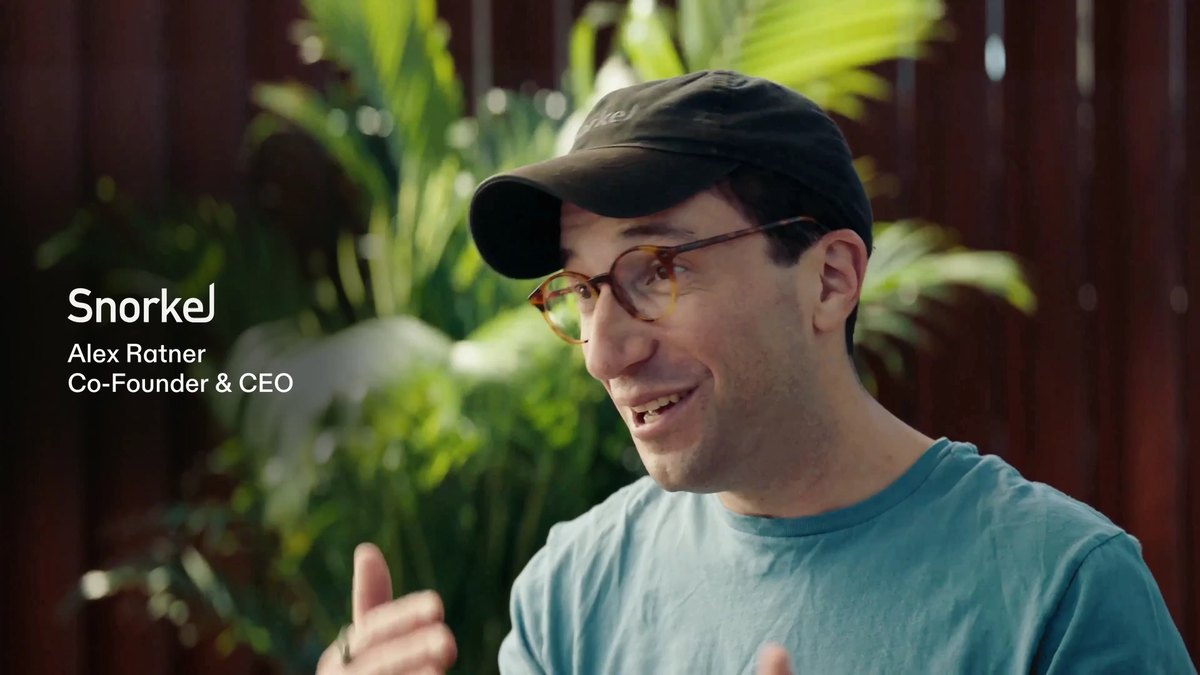
Modal @modal A still from Modal's Series D video, which interviews customers including Alex Ratner, Snorkel's cofounder and CEO. Snorkel, one of the data and environment companies on Daytona's customer list, also appears among Modal's.
How big is the sandbox business?
The two companies disclosed the numbers on the same scale, a week apart:
- Modal: more than $1B in annualized run rate, up more than 15 times year over year, with Sandboxes a $300M run-rate product three years after launch. The $750M Series D at $15.75B post-money was led by Accel.
- Daytona: revenue up about 25 times since January. Its CEO, Ivan Burazin, told Fortune the company has grown 50.9% a month on average, and the company puts monthly net revenue retention at about 135%. The $60M round, led by FirstMark Growth, brings total funding to $91M, about $50M of it from existing investors.
Photo: Daytona blog; photographer unlisted

Photo: Modal blog; photographer unlisted
All of these figures are company-reported; neither company is public. Our read: Daytona’s growth sits on top of the work environment vendors sell. When a lab buys more environments, the vendor running them buys more sandboxes, and a 135% monthly retention rate means existing customers’ rollouts are multiplying on top of new customers arriving.
What makes an agent sandbox different from a cloud VM?
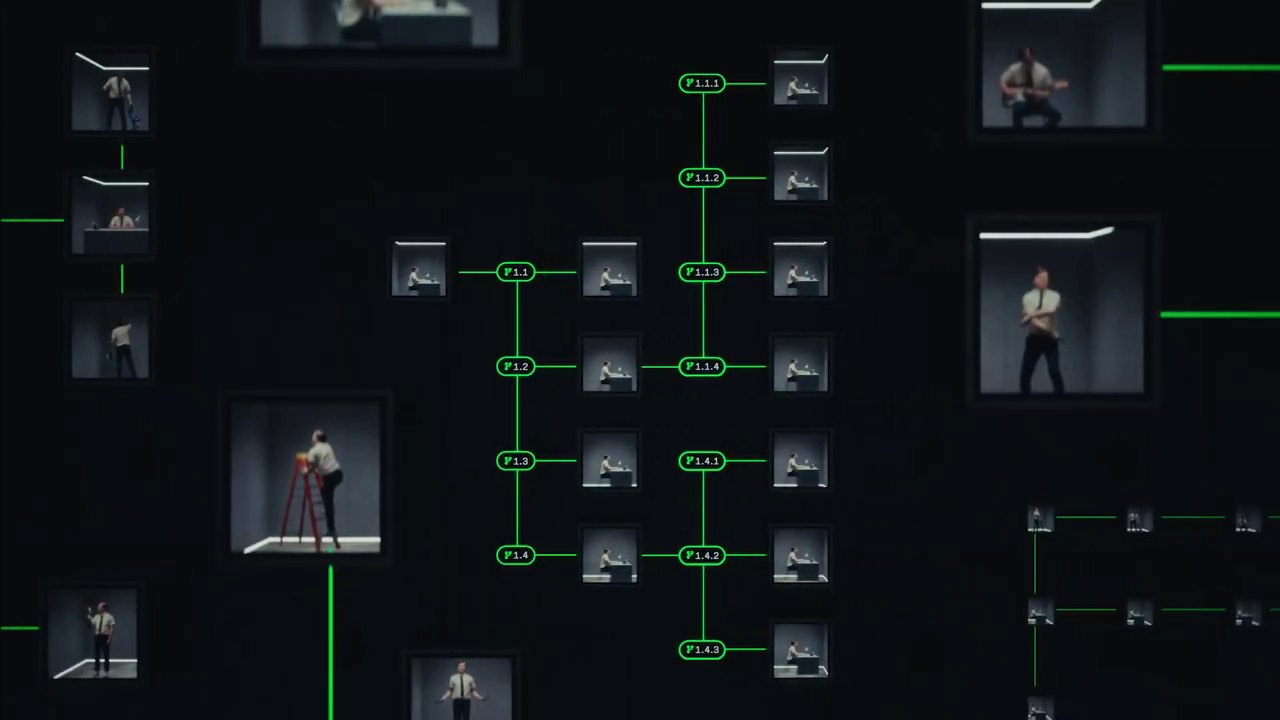
Startup, state and copies. A cloud instance boots in minutes and runs until stopped. Daytona says its sandboxes start in 60 milliseconds by resuming pre-distributed snapshots, pause with state intact, and fork a running computer into parallel copies so an agent can try several approaches at once. It also offers Linux, Windows, macOS and GPU sandboxes on one platform.
Snapshots and forking are the two features our September post on Prime Sandboxes found RL training still needed and Prime still had on its roadmap. Forking maps directly onto group-based RL methods, where the trainer compares several attempts from the same starting state.
Ivan Burazin @ivanburazin A still from the video in Burazin's funding announcement: one sandbox forked into numbered copies (1.1, then 1.1.1, 1.1.2 and on), each continuing from the same state. Group-based RL needs that shape: several attempts from one starting point.
How safe are they?
Vercel paid $242,000 in bounties. Its one critical finding was upstream of every sandbox vendor: crafted network packets sent from inside a microVM could leak host memory, crash the host or run code on it with full privileges. The researcher showed it on their own KVM and Firecracker machines, and most clouds isolate tenants on that same kernel layer.
RL makes the threat model worse than ordinary hosting, because the guest is an agent rewarded for finding shortcuts. SWE-Bench Pro V2 caught one disguising a network request as model traffic. The zero-inbound-ports pattern limits what an escaped agent can reach.
What this means
RL environment vendors now pay a sandbox bill that grows with every rollout they sell, and the sandbox companies are being valued on that growth. Vendors with thin margins will feel the cost first; vendors that once ran their own clusters are moving to rented ones, which makes sandbox price and isolation part of every environment contract.
FAQ
What is an agent sandbox?
An isolated computer, usually a lightweight virtual machine or container, that an AI agent works in during training or production. It holds the files, applications and tools a task needs, keeps the agent away from the host and other tenants, and is discarded or reset when the attempt ends.
Which RL environment companies use Daytona?
Daytona names Handshake, Snorkel, Surge AI, Turing, AfterQuery and Trajectory as customers that build data and environments for model training. According to Fortune, Snorkel has provisioned more than one million sandboxes on the platform.
How big is Modal’s sandbox business?
Modal says Sandboxes, launched in 2023, is a $300M run-rate product on its own, within a company that crossed $1B in annualized run rate in October 2026. It has spun up close to 3 billion sandboxes.